MARATHON RACE FORMAT
The 42.195 kilometre distance standardizes the event. Examine start procedures, checkpoint distribution, and timing rules.
THE 42.195 KILOMETRE STANDARD
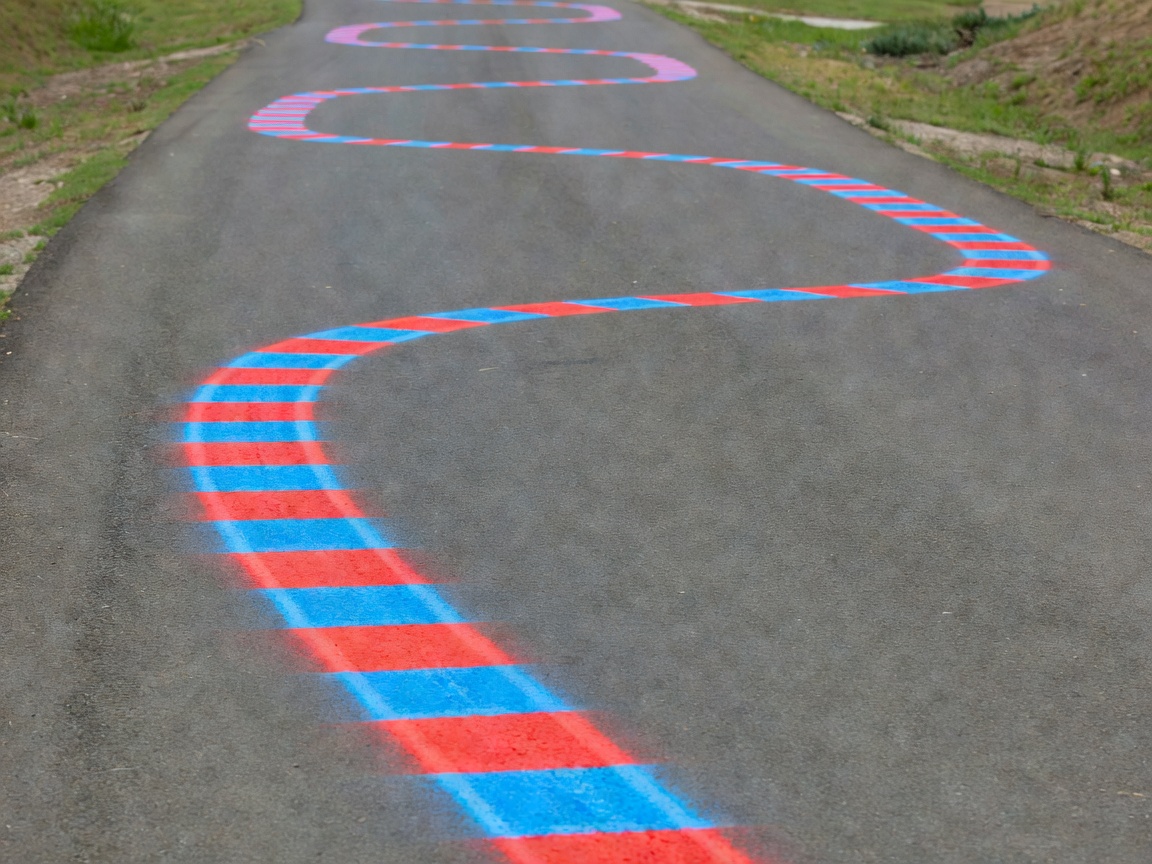
The marathon distance is exact. 42.195 kilometres defines the boundary. Official measurement utilizes the Jones Counter method. A calibrated bicycle rides the shortest possible line. This line marks the blue line seen in major European cities. Deviation from this line increases the total distance run.
Course certification ensures parity. Records require certified routes. Elevation drops cannot exceed strict limits. Point-to-point courses monitor wind assistance. Without this rigid format standard, results lose comparative value.
CHECKPOINTS AND AID STATIONS
Format rules dictate infrastructure. Medical and hydration stations appear at minimum intervals. Standard placement occurs every 5 kilometres. High-heat conditions mandate increased density. Checkpoints track participant progress physically and electronically.
Timing points map to checkpoints. The electronic mat validates the runner's presence. Missing consecutive checkpoints triggers automatic disqualification logic. Course marshals monitor these zones for compliance.
START AND FINISH PROCEDURES
Start procedures require staging corrals. Format dictates strict entry requirements based on verified historical performance. Jumping corrals violates the format. The finish line procedure maintains continuous forward motion to prevent medical incidents and chute congestion.
Withdrawals follow defined protocols. Abandoning the race requires notifying a course official. Unreported withdrawals trigger emergency protocol assumptions. Sweeper vehicles collect verified withdrawals.
FORMAT EXAMPLE: COURSE MARKERS
- Measurement: Jones Counter Calibrated
- Tolerance: +0.1% Short Course Prevention Margin
- Timing Points: 10 Standard Intersections
- Cut-off Enforcement: Sweeper Vehicle Pacing at 07:00 min/km
RESULT PUBLICATION FORMATS
Final result publication adheres to structural norms. PDFs represent static prints. Searchable databases represent dynamic queries. APIs power live tracking apps. Every format must distinguish between elapsed net time and absolute gun time.
Publication concludes the race format lifecycle. Data moves from road sensors to central servers to public display. Understanding this chain clarifies how race formats dictate output.
GOOD FOR
- Understanding measurement standards.
- Reviewing rule enforcement logic.
- Identifying the flow of race day operations.
WHAT TO KNOW
Race formats are governed by international and local athletic federations. The 42.195km distance is absolute, but individual event rules regarding cut-offs and pacing vary.