EUROPEAN MARATHON SCHEDULES
Event structures dictate race-day timelines. Review start waves, course opening protocols, and schedule organization frameworks.
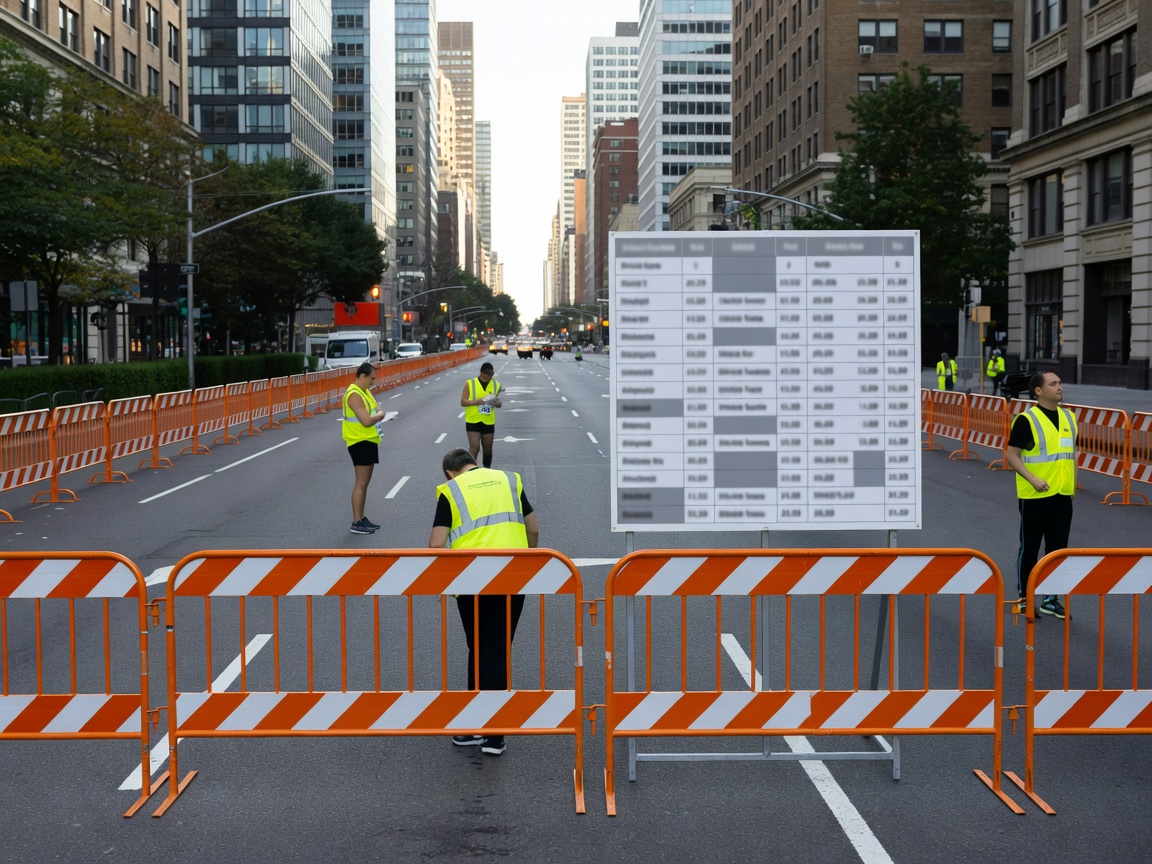
TIMELINE ARCHITECTURE
Marathon events operate on exact schedules. Start times dictate course logistics. Road closures follow strict local authorizations. Timelines coordinate athletes, officials, and infrastructure. Pre-race schedules map registration deadlines. Race-day schedules govern mass movement.
Organizers publish static schedules months in advance. These documents outline expected operational hours. Live schedules update during the event. Weather protocols trigger immediate schedule shifts. Delays propagate through the entire checkpoint system.
START WAVE PROTOCOLS
Mass participation requires controlled starts. Organizers implement start waves. Corrals group runners by projected pace. Elite fields depart first. Sub-elite and general fields follow in staggered intervals. This prevents dangerous course congestion.
Start waves run on minute-exact intervals. The elapsed time between wave one and wave five often exceeds one hour. Start lines process specific numbers of athletes per minute. Infrastructure throughput limits dictates these intervals.
COURSE OPENING AND CLOSING CONCEPTS
Marathon routes occupy public infrastructure. Events maintain strict course limits. The course limit defines the maximum allowable finish time. This dictates the operational schedule for every checkpoint. Pace minimums are enforced. Sweeper vehicles enforce the moving closure line.
Checkpoints open relative to the lead runner's expected pace. Checkpoints close relative to the slowest permitted pace. Aid stations follow the same timeline. Medical facilities operate strictly within these predefined bounds.
ILLUSTRATIVE FORMAT: RACE DAY TIMELINE
- 05:30 — Transition zones open. Infrastructure activation.
- 07:00 — Elite field staging. Final timing mat calibration.
- 08:00 — Wheelchair division start.
- 08:15 — Elite field start. Gun time initiates.
- 08:20 — Mass Wave A start. Chip timing activates.
- 08:40 — Mass Wave B start.
- 14:30 — Official course closure. Timing systems offline.
WEATHER-RELATED SCHEDULE CHANGES
Environmental conditions alter schedules. Extreme heat accelerates course closures. Lightning suspends event operations. Black flag conditions halt the race entirely. Organizers communicate these shifts through official channels.
Postponements occur rarely. Logistics make rescheduling difficult. European events typically operate across diverse autumn and spring climates. Standard operating procedures include thermal contingency plans. Start times shift earlier to mitigate midday temperatures.
STATIC VS LIVE SCHEDULE INFORMATION
Static schedules outline planned logistics. Handbooks and websites distribute these early. Live schedules reflect ground truth. Event control centers manage live timelines. Local time zones dictate all published schedules. European cross-border runners must align with local event time.
Runners interpret schedules to plan arrival, warm-up, and staging. Spectators interpret schedules to estimate viewing windows at specific kilometre marks. Data providers interpret schedules to initialize tracking algorithms.
GOOD FOR
- Understanding event logistics.
- Planning race-day movement.
- Analyzing course throughput capacity.
WHAT TO KNOW
Published schedules represent planned operations. Live conditions dictate actual timelines. Always consult official event communications for definitive schedule updates. This platform outlines scheduling structure, not active event dates.